.svg)


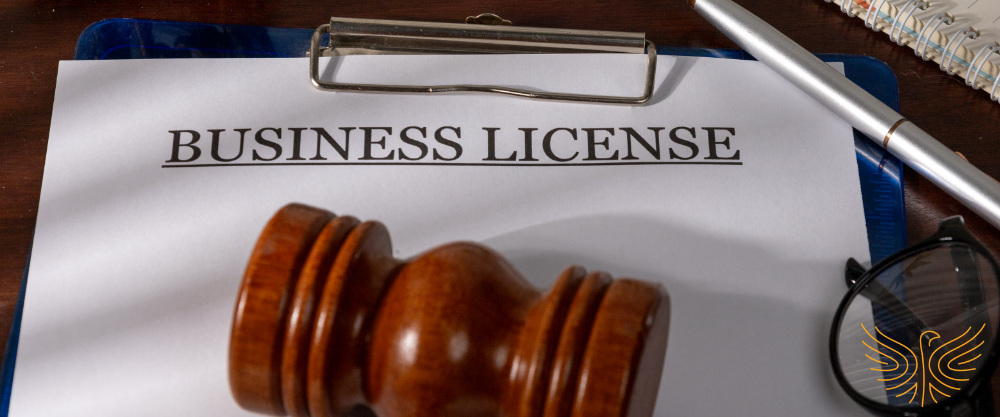


If you’re a licensed professional struggling with addiction, you already know what’s at stake. Your license isn’t just a piece of paper; it’s the result of years of education, training, and sacrifice. It’s your career, your identity, and your ability to provide for yourself and your family. And the fear of losing it can feel paralyzing.
That fear keeps many professionals from seeking help. But at the same time, untreated addiction is far more likely to cost you your license than getting treatment. Licensing boards, employers, and monitoring programs increasingly recognize addiction as a medical condition—one that responds to treatment. The professionals who protect their careers are often the ones who ask for help before a crisis forces their hand. So, how can you do that?
_______________________________________________________
What Professions Are Most Affected by Licensing Concerns
Addiction, unfortunately, doesn’t discriminate. It affects people in every field, at every level of success. But for professionals who hold licenses, the stakes are uniquely high. The professions most commonly affected by licensing concerns related to substance use include:
- Healthcare: Physicians, nurses, pharmacists, dentists, and other medical professionals face intense scrutiny due to patient safety and access to controlled substances.
- Legal: Attorneys and paralegals are held to ethical standards that can be compromised by addiction, and bar associations actively monitor for substance-related misconduct.
- Aviation: Pilots and air traffic controllers operate under strict federal regulations, and any substance use can have immediate career consequences.
- Education: Teachers, school counselors, and administrators are entrusted with children’s safety, making licensing boards particularly cautious.
- Finance: Accountants, financial advisors, and other licensed finance professionals may face action if addiction leads to ethical violations or criminal charges.
- Other licensed professions: Real estate agents, contractors, social workers, therapists, and many others also face potential licensing consequences related to substance use.
.png)
_______________________________________________________
How Addiction Can Put Your License at Risk
Licensing boards may take action based on:
- DUI or drug-related arrests and convictions: A criminal record related to substance use is one of the most common triggers for board review.
- Impaired performance on the job: Complaints from colleagues, supervisors, clients, or patients about your behavior or performance can prompt an investigation.
- Diversion of medications: For healthcare workers, taking drugs intended for patients is a serious offense that often results in disciplinary action.
- Failed drug tests: Whether through workplace screening or random testing, a positive result can trigger immediate consequences.
- Self-reporting requirements: Some licensing boards require you to disclose arrests, treatment, or diagnosis of a substance use disorder. Failing to report when required can make things worse.
The common thread here is that untreated addiction tends to escalate. What starts as a private struggle can quickly become a public crisis—and by then, your options are far more limited.
_______________________________________________________
What Licensing Boards Actually Look For
It’s easy to assume that licensing boards exist solely to punish. But the reality is more nuanced.
Most boards are primarily concerned with protecting the public. This means they want to know whether you can perform your job safely and competently—not whether you’ve ever struggled.
Boards typically distinguish between someone with an active, untreated addiction and someone who has acknowledged the problem and is actively engaged in recovery. In many cases, seeking treatment voluntarily is viewed far more favorably than being caught or reported. Overall, honesty, accountability, and a demonstrated commitment to recovery can make a significant difference in how your case is handled.
At the same time, this doesn’t mean there are no consequences. But it does mean that getting help—rather than hiding the problem—often leads to better outcomes.
_______________________________________________________
How To Protect Your License
If you’re worried about your license, the best thing you can do is act before a crisis forces your hand. Seeking out treatment voluntarily—rather than waiting until you’re caught or reported—demonstrates that you take your responsibilities seriously and are committed to doing the right thing.
Here are some steps that can help protect your license while you get help:
- Document your treatment and recovery. Records showing that you’ve engaged in treatment, attended support groups, and maintained sobriety can support your case if your license ever comes under review.
- Understand your reporting obligations. Some boards require disclosure; others don't. Knowing the rules in your profession and state helps you make informed decisions.
- Consider consulting an attorney. A lawyer who specializes in professional licensing can help you understand your rights, navigate board processes, and advocate on your behalf.
- Know your confidentiality protections. Federal laws, such as HIPAA and 42 CFR Part 2, provide strong protections for substance use treatment records. In many cases, your treatment can remain private.
Ultimately, getting help now protects both your health and your career. Waiting only makes things harder.
_______________________________________________________
How to Get Help
Your license matters—but so does your life.
Addiction is a treatable condition, and recovery is possible. The professionals who protect their careers are the ones who reach out for support before it's too late.
At Freedom Recovery Centers (FRC), our compassionate team provides personalized, confidential care designed to help you reclaim your health and your future. You don’t have to navigate this alone. Call us today at 804-635-3746.

.svg)


.svg)


.svg)