.svg)


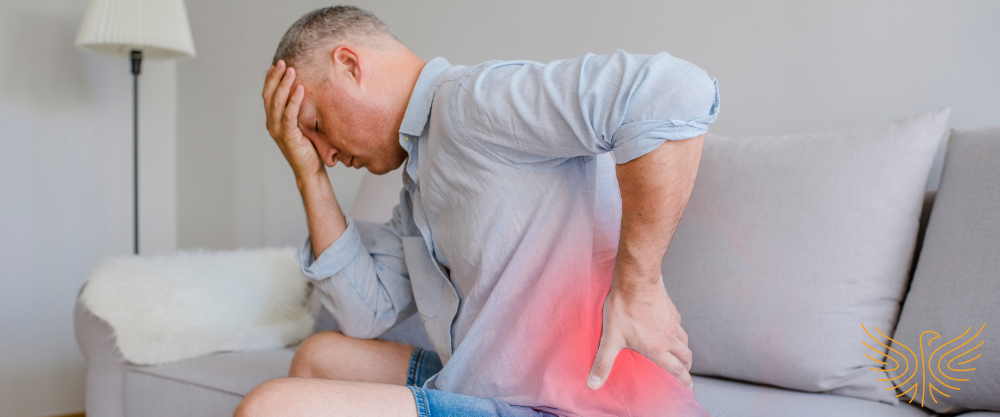


Living with chronic pain is exhausting. It affects every part of your life—your ability to work, your relationships, your sleep, and even your mood.
So when a medication finally offers relief, it makes sense that you’d want to hold onto that. But for millions of people, the medications prescribed to manage their pain have led to a problem they never expected—addiction.
On top of chronic pain, this is never ideal. And continuing to misuse substances isn’t sustainable. But there is help available, and recovery is possible.
_______________________________________________________
Addiction Treatment for Chronic Pain
Treating addiction in someone with chronic pain requires a different approach than standard addiction treatment. Here’s how the process differs—and what you can expect from a program that understands your unique needs.
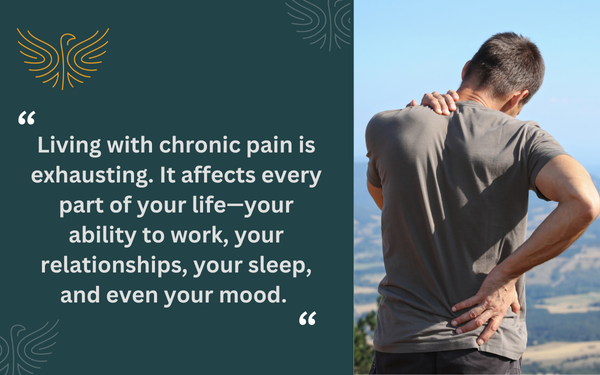
Pain Must Be Treated Alongside Addiction
In traditional addiction treatment, the primary focus is on eliminating substance use. But for chronic pain patients, simply removing the medication without addressing the underlying pain sets people up for failure. Untreated pain is one of the most common reasons people in recovery relapse.
Effective treatment programs recognize that pain management and addiction recovery must happen together. This means working with medical professionals who understand both conditions and can develop a comprehensive plan that addresses your physical comfort while supporting your sobriety. Ignoring either issue makes lasting recovery nearly impossible.
Medication-Assisted Treatment May Look Different
Medication-assisted treatment (MAT) is a cornerstone of modern addiction care, particularly for opioid use disorder. Medications, such as buprenorphine and methadone, can reduce cravings and prevent withdrawal symptoms. For chronic pain patients, these medications offer an additional benefit—they can also help manage pain.
However, the approach must be carefully tailored. Dosing, timing, and medication selection all require special consideration when chronic pain is involved. A provider experienced in treating both conditions will work with you to find the right balance, ensuring your pain is controlled without fueling addictive patterns.
Detox Requires Extra Medical Supervision
Detoxification is challenging for anyone, but it’s particularly complex for chronic pain patients. As substances leave the body, pain that was previously masked often returns—sometimes more intensely than before, a phenomenon known as hyperalgesia.
Without proper medical support, this rebound pain can be overwhelming and drive people back to substance use almost immediately.
Medical detox programs designed for chronic pain patients, however, anticipate this hurdle. They use a combination of non-addictive medications, comfort measures, and careful monitoring to help you through withdrawal while keeping pain at manageable levels. This supervised approach is essential for a safe and successful detox.
Alternative Pain Management Becomes Central
While medication may still play a role, treatment programs introduce a range of alternative approaches to help you manage pain without relying solely on addictive substances.
These may include physical therapy to improve function and reduce pain, acupuncture, massage therapy, mindfulness-based stress reduction, cognitive behavioral therapy for chronic pain, nerve blocks or other interventional procedures, and non-addictive medications, such as certain antidepressants or anti-seizure drugs that can help with pain.
Mental Health Support Is Essential
Chronic pain and addiction both take a significant toll on your mental health. Depression, anxiety, and feelings of hopelessness are common when you’re dealing with either condition—and even more prevalent when you’re facing both. Effective treatment addresses these psychological components head-on.
Therapy helps you process the grief and frustration that often accompany chronic pain. It teaches coping skills for managing both pain and cravings. And it addresses any underlying trauma or mental health conditions that may be contributing to your substance use. This integrated approach—treating the whole person rather than just the addiction—leads to better outcomes.
Treatment Plans Are Highly Individualized
Cookie-cutter treatment programs don’t work well for chronic pain patients. Your pain condition, the substances you’ve been using, your medical history, and your personal goals all need to be considered when developing a treatment plan.
The best programs take time to understand your specific situation. They involve you in decision-making and adjust the approach as needed throughout your treatment. What works for one person may not work for another, and flexibility is key to finding a sustainable path forward.
Education Helps You Understand Your Body
Knowledge is power, especially when you’re navigating something as complex as chronic pain and addiction. Treatment programs should help you understand how pain works in the body, why certain medications carry addiction risk, and how substance use can actually worsen pain over time.
This education empowers you to make informed decisions about your care. It helps you communicate more effectively with healthcare providers. And it can also help reduce the shame and confusion that often surround these intertwined conditions.
Long-Term Support Addresses Ongoing Challenges
Recovery from addiction is a lifelong journey, and for chronic pain patients, that journey includes ongoing pain management. Treatment doesn’t end when you leave a program—you’ll need continued support to navigate flare-ups, manage stress, and maintain your sobriety over time.
Aftercare planning should connect you with pain management specialists who understand addiction, support groups for people with similar experiences, and mental health resources for ongoing therapy. Building this network of support before you complete treatment helps ensure you have the resources you need when challenges arise.
_______________________________________________________
Find Compassionate Care That Understands Your Needs
If you’re struggling with both chronic pain and addiction, you deserve treatment that takes both conditions seriously. You shouldn’t have to choose between managing your pain and achieving sobriety—the right program will help you do both.
At Freedom Recovery Centers (FRC), our compassionate team works with you to develop an individualized plan that addresses your pain, supports your recovery, and helps you build a life worth living. Call us today at 804-635-3746 to start the conversation!

.svg)


.svg)


.svg)