.svg)


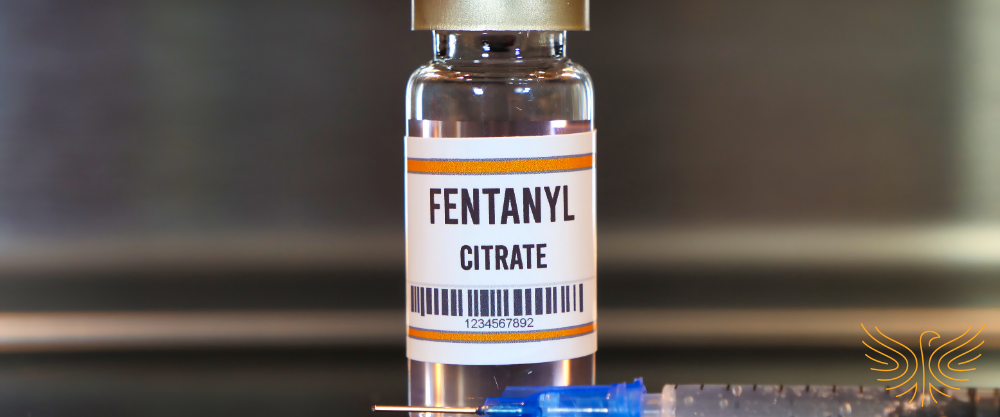


A lethal dose of fentanyl can be as little as two milligrams, an amount so small it would barely cover the tip of a pencil.
And depending on a person’s body, tolerance, and what else is in their system, even less can be enough to cause a fatal overdose.
Fentanyl is estimated to be 50 to 100 times more potent than morphine, which is why it has become the leading driver of overdose deaths in the United States. But why is it so deadly? And how can you help a loved one who may be struggling?
Why Such a Small Amount Can Be Deadly
Fentanyl binds rapidly to the brain’s opioid receptors, which regulate pain, mood, and breathing. When those receptors are overwhelmed, the brain essentially stops sending the signal to breathe. In fact, respiratory depression, slowed or stopped breathing, is the primary cause of death in a fentanyl overdose.

While two milligrams is often cited as a lethal dose, several factors actually impact how much fentanyl a person can survive, including:
- Tolerance: Someone who has used opioids long-term may have a higher threshold, though tolerance is never a reliable protection
- Body weight and metabolism: Both affect how quickly the drug moves through the system
- Polydrug use: Mixing fentanyl with alcohol, benzodiazepines, or other depressants dramatically increases the risk of fatal respiratory depression
- Individual biology: Some people are simply more sensitive to opioids than others
On top of the above, illicitly manufactured fentanyl is especially deadly due to the inconsistency in different supplies. Street fentanyl concentrations can vary significantly from one batch to the next, or even within the same batch. Simply put, there is no way to know how much is in any given dose without proper lab testing.
Where Does Fentanyl Come From?
Fentanyl was originally developed as a prescription medication for managing severe pain, typically in surgical or end-of-life care settings. Legitimate pharmaceutical fentanyl is tightly controlled and measured.
The crisis driving overdose deaths today, however, is almost entirely tied to illicitly manufactured fentanyl, a chemically similar version produced in clandestine labs, primarily overseas, and then distributed through drug trafficking networks.
Illicitly manufactured fentanyl is commonly pressed into counterfeit pills made to look like prescription oxycodone, Xanax, or Adderall. And this can make it especially harmful. It’s been found mixed into cocaine, methamphetamine, and heroin—often without the buyer’s knowledge.
According to the CDC, synthetic opioids, including fentanyl, are now involved in the majority of overdose deaths in the U.S., and many of those deaths involve people who didn’t know they were taking fentanyl at all.
This is what makes the current crisis so different from earlier waves of the opioid epidemic. The risk is no longer limited to people using opioids; it extends to anyone purchasing drugs from the illicit market.
What Fentanyl Addiction Looks Like
Since fentanyl is so potent, physical dependence may develop faster than with other opioids. The brain adjusts to its presence quickly, which means that when someone stops using, or even reduces their use, withdrawal symptoms can set in rapidly and intensely. These symptoms may include:
- Severe anxiety
- Muscle aches
- Sweating
- Nausea
- Vomiting
- Cravings.
Addiction, as opposed to physical dependence alone, involves compulsive use despite consequences. Someone struggling with fentanyl addiction may find themselves using more than they intended, spending significant time and energy obtaining the drug, pulling back from relationships and responsibilities, and continuing to use even when they want to stop or have tried to before.
Signs of a Fentanyl Overdose
Recognizing a fentanyl overdose quickly can save a life. The signs include:
- Pinpoint (very small) pupils
- Unresponsiveness or loss of consciousness
- Slow, shallow, or stopped breathing
- Choking or gurgling sounds
- Limpness
- Blue or grayish lips, fingertips, or skin
If you suspect someone is overdosing, call 911 immediately. From there, if available, naloxone (Narcan) is a medication that reverses opioid overdose and is available without a prescription at most pharmacies. And it’s worth noting that multiple doses of naloxone may be needed. Administer it, perform rescue breathing if trained, and stay with the person until emergency services arrive.
If you or someone you love is struggling with substance abuse, the Freedom Recovery Centers (FRC) team is here to help. Call us at 804-635-3746 or fill out our online form. Our adminstration team can answer any questions you have and even provide transportation to our center, helping you take that first step toward recovery.

.svg)


.svg)


.svg)

