.svg)





Recovery asks a lot of you. It requires honesty, vulnerability, hard work, and a willingness to change. For people who tend toward perfectionism, this can feel like a natural fit at first—finally, a goal to pursue with everything you’ve got.
But the same drive that pushes you to excel can quietly undermine your progress, setting you up for frustration, burnout, and even relapse. Thus, if you’ve always held yourself to impossibly high standards, learning to let go of perfectionism might be one of the most important—and most difficult—parts of your recovery journey.
_______________________________________________________
How Can Perfectionism Sabotage Your Recovery?
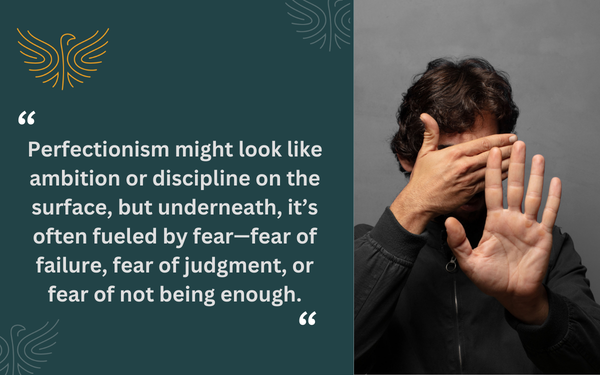
Perfectionism might look like ambition or discipline on the surface, but underneath, it’s often fueled by fear—fear of failure, fear of judgment, or fear of not being enough. In recovery, these fears can manifest in ways that make the process harder than it needs to be. So, why exactly can striving for perfectionism hinder your recovery?
It Sets Unrealistic Expectations
Perfectionists often expect recovery to follow a straight line. They envision steady progress, flawless execution of coping strategies, and a clean break from old habits.
But recovery rarely works that way. There are setbacks, bad days, and moments when you stumble. When your expectations are impossibly high, anything less than perfection feels like failure. This all-or-nothing thinking can leave you feeling defeated even when you’re making real progress.
It Fuels Shame
Everyone makes mistakes in recovery—it’s part of being human. But for perfectionists, mistakes carry extra weight. A slip, a missed meeting, or a moment of weakness can trigger intense shame and self-criticism.
Instead of viewing setbacks as opportunities to learn, perfectionists often spiral into harsh self-judgment. This shame doesn’t usually motivate self-improvement; instead, it often erodes self-worth and can push you toward the very behaviors you’re trying to leave behind.
It Creates Fear of Vulnerability
During recovery, you have to be honest about your struggles, ask for help, and admit when you don’t have all the answers. This helps you learn and grow, eventually moving toward a stable, sober life.
Yet, for perfectionists, this can feel very uncomfortable. As a result, you might hold back in therapy, downplay your challenges in support groups, or pretend you’re doing better than you are. This reluctance to be vulnerable prevents you from getting the full benefit of your support system.
It Leads to Burnout
Perfectionists often throw themselves into recovery with intense energy—attending every meeting, reading every book, or doing everything “right.” While dedication is admirable, this level of intensity isn’t sustainable. Without balance and self-compassion, burnout becomes inevitable. When exhaustion sets in, you have fewer resources to cope with stress and cravings, leaving you more vulnerable to relapse.
It Makes You Compare Yourself to Others
You might look at others in your support group and measure your progress against theirs. If someone seems to be handling recovery more easily, you might feel inadequate. If someone relapses, you might secretly judge them while fearing the same fate.
Unfortunately, these comparisons distract you from your own journey and create unnecessary pressure that doesn’t serve your healing.
It Prevents You From Celebrating Progress
When perfection is the only acceptable outcome, anything short of it doesn’t feel worth celebrating. Ultimately, perfectionists often dismiss their achievements because they weren’t flawless.
Three months sober? You focus on the one moment you almost slipped. Completed a difficult therapy session? You criticize yourself for getting emotional. This inability to acknowledge progress and let go robs you of the encouragement and motivation you need to keep going.
_______________________________________________________
Letting Go of Perfectionism
Releasing perfectionism doesn’t mean you need to lower your standards or give up on growth. It more so means embracing a more compassionate, realistic approach to recovery—one that leaves room for being human. Here are some ways to get started:
- Redefine success. Instead of measuring success by perfection, measure it by effort and progress. Showing up matters. Trying again after a setback matters. Small steps forward matter, even when they don’t look impressive.
- Practice self-compassion. Treat yourself the way you would treat a friend who was struggling. When you make a mistake, respond with kindness rather than criticism. Remind yourself that recovery is hard and that stumbling doesn’t make you a failure.
- Challenge all-or-nothing thinking. When you catch yourself thinking in extremes, pause and look for the gray area. Most situations aren’t as black and white as they seem.
- Set realistic expectations. Recovery is a process, not a destination. There will be difficult days. There will be moments of doubt. Accepting this from the start helps you navigate challenges without feeling like the whole journey has fallen apart.
- Embrace vulnerability. Let yourself be seen, imperfections and all. Share your struggles honestly with your therapist, sponsor, or support group.
- Celebrate small wins. Make a habit of acknowledging your progress, no matter how minor it seems.
- Focus on your own journey. Recovery isn’t a competition. Someone else’s path has nothing to do with yours. When you notice yourself comparing, gently redirect your attention back to your own growth and goals.
- Allow rest without guilt. Recovery demands a lot of energy, and you can’t pour from an empty cup. So, make sure to give yourself permission to rest, recharge, and take things one day at a time.
_______________________________________________________
Progress Over Perfection
Letting go of perfectionism is a process in itself. You won’t do it perfectly, and that’s okay. What matters is recognizing when perfectionism is getting in your way and choosing a different response. Recovery is ultimately about being honest, being brave, and being willing to keep going even when things get hard.
Freedom Recovery Centers (FRC) can help support you exactly as you are—not a perfect version of you, but the real you. Our compassionate team will walk with you through the hardships and ensure you make real progress towards your goals. If you or a loved one is struggling with addiction, reach out today. Call us at 804-635-3746. Our team is ready to help!

.svg)


.svg)


.svg)