.svg)





Sleep is one of the most underrated factors in addiction recovery. When you’re focused on staying sober, attending therapy, and rebuilding your life, getting enough rest might seem like a low priority. But the truth is that sleep plays an important role in your ability to heal—physically, mentally, and emotionally.
Unfortunately, sleep problems are incredibly common in early recovery. And poor sleep can make everything harder. However, there are ways to support your sleep and obtain that rest you need.
_______________________________________________________
How Does Lack of Sleep Affect Recovery?
Sleep is when critical repair and restoration happen. When you don’t get enough quality sleep, the effects ripple through every aspect of your recovery.
It Weakens Your Ability to Manage Cravings
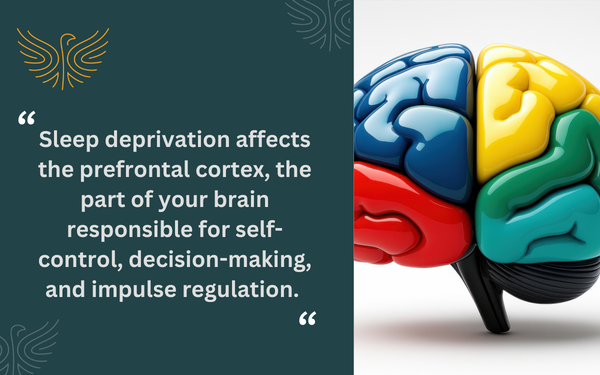
Sleep deprivation affects the prefrontal cortex, the part of your brain responsible for self-control, decision-making, and impulse regulation. When you’re exhausted, this region doesn’t function at full capacity. At the same time, the brain’s reward centers become more reactive, making cravings feel stronger and harder to resist. This combination creates a perfect storm—diminished willpower paired with heightened urges.
It Increases Stress and Anxiety
Lack of sleep puts your body in a state of stress. Cortisol levels rise, your nervous system stays on high alert, and you become more reactive to everyday challenges.
For someone in recovery, this heightened stress response is particularly dangerous. Stress is one of the most common relapse triggers, and sleep deprivation amplifies it. Small frustrations feel bigger, worries spiral more easily, and your capacity to cope shrinks.
It Disrupts Mood and Emotional Regulation
Anyone who’s had a poor night’s sleep knows how irritable and emotionally fragile it can leave you. In recovery, emotional regulation is already a work in progress. You’re learning to process feelings without substances, which takes practice and energy. Thus, sleep deprivation makes this harder by intensifying negative emotions and reducing your resilience.
Additionally, depression and anxiety symptoms often worsen with poor sleep, which can further complicate the recovery process and make everything seem much harder.
It Impairs Memory and Concentration
Recovery involves learning new coping skills, new ways of thinking, and new routines. And sleep is essential for memory consolidation, the process by which your brain stores and organizes what you’ve learned.
Without adequate rest, it’s harder to retain information from therapy sessions, remember strategies for managing triggers, or stay focused on your goals. You might feel foggy, forgetful, or mentally scattered, which can be discouraging when you’re working so hard to move forward.
It Slows Physical Healing
Substance use takes a toll on the body, and recovery is a time of physical repair. Sleep is when your body does much of its healing work—restoring tissues, balancing hormones, and strengthening the immune system.
But chronic sleep deprivation interferes with these processes, leaving you feeling run-down and more susceptible to illness. Physical exhaustion can also drain your motivation to engage in healthy habits, including exercise and proper nutrition.
It Increases Relapse Risk
All of these factors—stronger cravings, higher stress, unstable mood, impaired thinking, and physical exhaustion—add up to one significant outcome: increased relapse risk.
When you’re sleep-deprived, your defenses are down in every sense. This makes prioritizing rest and sleep one of the most important things you can do to support your recovery journey and sobriety.
_______________________________________________________
How to Support Better Sleep During Recovery
The good news is that sleep problems in recovery are often temporary, and there’s a lot you can do to improve your rest. Here’s how!
Establish a Consistent Sleep Schedule
Your body has a natural sleep-wake cycle, and consistency helps reinforce it. Try to go to bed and wake up at the same time every day, even on weekends. This regularity trains your body to expect sleep at certain times, making it easier to fall asleep and wake up feeling rested.
Create a Relaxing Bedtime Routine
Give yourself time to wind down before bed. This might include taking a warm shower, reading a book, practicing gentle stretching, or listening to calming music. Avoid stimulating activities such as intense exercise, stressful conversations, or watching upsetting content near bedtime. A consistent routine signals to your brain that it’s time to shift into sleep mode.
Limit Screen Time Before Bed
The blue light emitted by phones, tablets, and computers interferes with melatonin production, the hormone that helps you sleep. Try to put screens away at least an hour before bed. If that feels impossible, consider using blue light filters or switching to relaxing, screen-free activities in the evening.
Watch What You Consume
Caffeine and sugar can disrupt sleep, especially when consumed later in the day. Be mindful of your intake and try to avoid stimulants in the afternoon and evening. While it might be tempting to use sleep aids, talk to your treatment team before taking anything—some over-the-counter options can interfere with recovery or create new dependencies.
Make Your Sleep Environment Comfortable
Your bedroom should be a sanctuary for rest. Keep it cool, dark, and quiet. Invest in comfortable bedding if you can. Remove distractions like TVs or work materials. The goal is to create an environment that your brain associates solely with sleep and relaxation.
Talk to Your Treatment Team
If sleep problems persist despite your best efforts, don’t suffer in silence. Insomnia and other sleep disturbances are common in recovery, and your treatment team can help. They may recommend behavioral strategies, address underlying issues like anxiety or depression, or explore other solutions that support both your sleep and your sobriety.
_______________________________________________________
Rest is Part of Recovery
It’s easy to overlook sleep when there’s so much else to focus on in recovery. But rest isn’t optional—it’s foundational. When you sleep well, you’re better equipped to handle cravings, manage stress, regulate emotions, and stay committed to your goals.
Are you or a loved one currently struggling with substance use? At Freedom Recovery Centers (FRC), we can help, whether it’s your first or last time in rehab. Call us today at 804-635-3746; our phone lines are open 24-7 and our caring and compassionate staff are ready to guide you every step of the way.

.svg)


.svg)


.svg)