.svg)


At some point, many people notice a shift. What once felt like enough suddenly isn’t. A single drink no longer takes the edge off. A medication that once brought relief now barely makes a dent. This creeping need for more can be confusing—and often alarming.
This change is called tolerance, and it’s one of the most misunderstood parts of addiction. It isn’t about chasing a stronger high or lacking self-control. It’s the brain doing what it’s designed to do: adapting. Over time, repeated exposure to a substance changes how the brain responds, making the same amount feel weaker than it once did.
Because tolerance tends to build gradually, it’s easy to miss. People may increase their use without realizing why, often feeling guilt or frustration along the way. But this pattern isn’t a moral failing—it’s a biological process rooted in the brain’s chemistry.
_______________________________________________________
Why Do Drugs Build Tolerance?
Your brain is constantly working to maintain balance. When you introduce a substance that alters your brain chemistry—whether it’s alcohol, opioids, or stimulants—your brain responds by adjusting its own processes to compensate. This is called homeostasis, and it’s your body’s way of protecting itself.
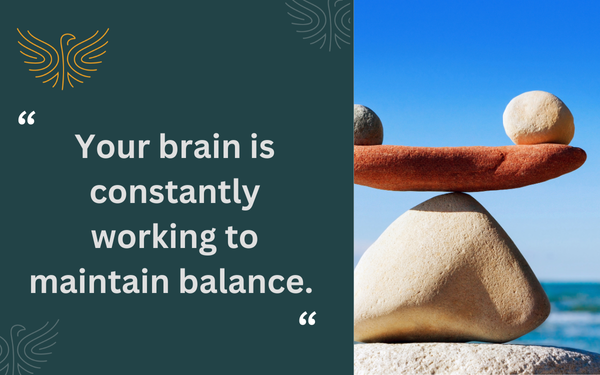
Here’s what happens: When a drug floods your brain with feel-good chemicals like dopamine, your brain recognizes that there’s an excess.
In response, it reduces its own production of these chemicals or decreases the number of receptors available to receive them. The result? You need more of the substance to achieve the same effect you once felt with a smaller amount.
And it doesn’t come down to willpower or motivation; your brain is simply doing what it’s designed to do. Yet, unfortunately, this natural protective mechanism can quickly spiral into a dangerous pattern of escalating use.
Drugs That Often Lead to Tolerance
While tolerance can develop with almost any substance, certain drugs are particularly known for causing rapid tolerance buildup.
For instance, opioids—including prescription painkillers like oxycodone and illegal drugs like heroin—are notorious for this. Many people who become dependent on opioids started with a legitimate prescription and found themselves needing higher doses over time.
Alcohol is another substance where tolerance develops quickly. What starts as one or two drinks to relax can gradually require three, four, or more to achieve the same calming effect.
Benzodiazepines, often prescribed for anxiety, follow a similar pattern and can be especially dangerous when combined with other depressants.
Stimulants, such as cocaine and methamphetamine, also lead to tolerance, pushing users to take larger amounts or use more frequently. Even cannabis, often perceived as relatively harmless, can lead to tolerance in regular users. The rate at which tolerance develops varies from person to person and depends on factors such as genetics, frequency of use, and the specific substance involved.
_______________________________________________________
How Addiction Develops
Tolerance is often the first step on a path toward addiction, but it’s not the only factor.
As tolerance builds, something else begins to happen: dependence. Your brain becomes so accustomed to the presence of the substance that it struggles to function normally without it.
When you stop using or significantly reduce your intake, withdrawal symptoms kick in—and they can range from uncomfortable to life-threatening.
This creates a painful cycle. You use more to overcome tolerance, your brain adjusts further, and now you need the substance just to feel okay. Meanwhile, the substance begins to affect every area of your life—your relationships, your work, your health, and your sense of self.
Recognizing the signs of addiction early can make all the difference. If you or someone you care about is experiencing any of the following, it may be time to seek help:
- Needing more of a substance to feel the same effects
- Experiencing withdrawal symptoms when not using
- Spending significant time obtaining, using, or recovering from substance use
- Continuing to use despite negative consequences at work, home, or in relationships
- Failed attempts to cut back or quit on your own
- Losing interest in activities that once brought joy
- Using substances to cope with stress, emotions, or difficult situations
These signs indicate that your brain has been changed by substance use—and with the right support, it can heal. The brain is remarkably adaptable; just as it adjusted to the presence of substances, it can adapt to life without them. But this process usually takes time, professional guidance, and a supportive environment.
_______________________________________________________
Get Help Today
If you recognize yourself or a loved one in what you’ve read above, know that recovery is possible. Addiction is a medical condition, not a moral failing, and effective treatment exists. You don’t have to face this alone, and you don’t have to hit rock bottom before reaching out for help.
Freedom Recovery Centers (FRC) can help you pave your way toward recovery. Our caring and compassionate team understands the science behind addiction—including how tolerance and dependence work—and we use that knowledge to create personalized treatment plans that address your unique needs.
Whether you’re just starting to question your relationship with substances or you’ve been struggling for years, we’re here to help you lead a brighter and healthier life. Our team is here to listen, answer your questions, and help you figure out the best path forward—no judgment, no pressure. Call us today at 804-635-3746. Your journey toward freedom starts with a single step.

.svg)


.svg)


.svg)

