.svg)




As a society, we rely on first responders. They are the first people there when disaster strikes or an emergency hits.
Yet, police officers, firefighters, paramedics, and EMTs spend their careers carrying the weight of other people’s worst days, often without time to process what they’ve witnessed. As time goes on, this can take a toll on their mental health and overall well-being.
While many districts, counties, and regions now have programs in place to help, there’s still considerable pressure and stress in these kinds of careers. In fact, this pressure and stress may make some first responders more susceptible to substance abuse.
Why Are First Responders at Higher Risk?
First responders witness death, violence, and suffering on a regular basis, and they’re expected to stay composed through all of it. As time goes on, the accumulated trauma can lead to various conditions such as post-traumatic stress disorder, depression, anxiety, and chronic insomnia.
Beyond the trauma, there is also immense physical strain in many of these jobs. This often arises from long shifts, disrupted sleep, and the need to be alert to respond at a moment’s notice. When someone is exhausted, hypervigilant, and haunted by what they’ve seen, alcohol or drugs may feel like the only way to switch off and rest.
Mental health issues also may play a role here when it comes to developing substance use. When difficult emotions go unaddressed, individuals often reach for substances to numb them, and what begins as occasional relief can quickly turn into dependence. This pattern, where a mental health condition and a substance use disorder occur together, is known as dual diagnosis, and it's especially common among first responders.
Substance Use Across First Responder Professions
While every emergency role carries elevated risk, the specific pressures vary from one profession to the next. Below, we take a closer look.
Police Officers
Law enforcement officers face the dual burden of physical danger and emotional strain, routinely encountering violence, loss, and crisis. Many also navigate tension within their communities and the pressure of split-second decisions. Research has consistently found higher rates of drinking among police officers than in the general population, likely driven both by stress and by a workplace culture where drinking together can led to belonging.
Firefighters
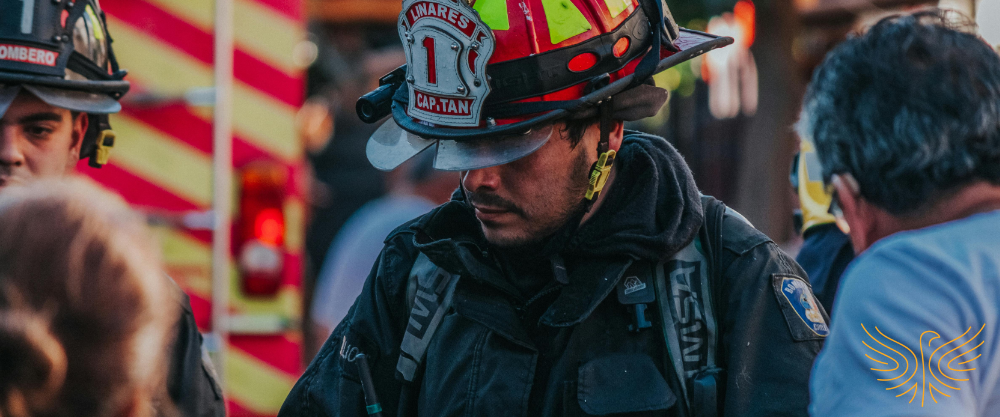
Firefighters confront not only psychological trauma but also serious physical hazards such as burns, smoke inhalation, and injury. The long shifts and the close-knit firehouse culture may also normalize heavy drinking as a way to bond and decompress.
Paramedics and EMTs
Emergency medical personnel make life-and-death decisions under intense time pressure, often while running on little sleep. They also tend to have easier access to medications than the public does. Research suggests that drug use may be especially high in this group, likely reflecting a combination of stress exposure and access. High rates of depression, sleep deprivation, and PTSD compound the risk.
Signs a First Responder May Be Struggling
It can be hard to spot a problem in someone who’s used to projecting strength. Some signs, however, may include:
- Drinking or using more to achieve the same effect
- Pulling away from family and friends
- Increased irritability or emotional numbness
- Trouble sleeping or frequent nightmares
- Relying on substances to get through or recover from their shifts
Interestingly, one of the biggest barriers first responders face isn’t the addiction itself but the culture surrounding it. These are people trained to be strong, dependable, and in control. Admitting to a struggle can feel like admitting failure, and many worry that asking for help could cost them their peers’ respect or even their job.
This fear keeps many people suffering in silence, allowing problems to worsen long after they could have been addressed. But the truth is that needing help after years of carrying unbearable weight isn’t weakness. In fact, the bravest thing a first responder can do may be to acknowledge they need help and can’t keep giving without filling their cup first.
At Freedom Recovery Centers (FRC), we offer compassionate, evidence-based treatment designed to address both addiction and the underlying trauma that so often drives it. We’re here to help. You’ve spent your career showing up for everyone else. Let us show up for you. Reaching out is confidential and carries no obligation. Call us anytime at 804-635-3746 to learn more.

.svg)


.svg)


.svg)