.svg)


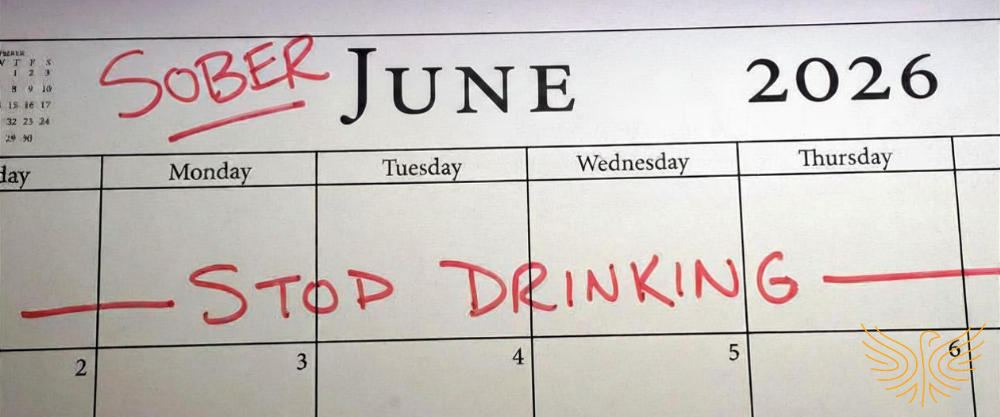


Getting sober is a huge achievement. This deserves recognition. But it doesn’t mean you’re recovered.
In fact, many individuals who stop using drugs or alcohol still feel angry, restless, and miserable. The emotions that they tried to numb come back, and this can be very frustrating. You might even feel robbed by sobriety on some level; if you can relate to this, you may be experiencing dry drunk syndrome.
What Is Dry Drunk Syndrome?
Dry drunk syndrome describes someone who has stopped using alcohol or drugs but hasn’t done the deeper emotional and psychological work that recovery requires. They’re abstinent, but many of the attitudes, behaviors, and thought patterns from active addiction are still running the show.
The phrase originally came out of Alcoholics Anonymous to describe someone who quit drinking but never addressed the reasons they drank in the first place. The result is sobriety without the relief or growth that’s supposed to come with it.
A person in this state may technically be doing everything right by not using, yet feel just as trapped and unhappy as they did before.
Why Does Dry Drunk Syndrome Happen?
Dry drunk syndrome tends to develop when sobriety is treated as the finish line. In reality, it’s just the starting point. So, here’s, in more detail, what factors lead to dry drunk syndrome.
Stopping the Substance Without Treating the Roots
Addiction is rarely just about the substance. It’s often a way of coping with pain, stress, boredom, or difficult emotions. When someone removes the substance but never explores what it was doing for them, the underlying need doesn’t disappear. Without new coping tools to take its place, that unmet need shows up as irritability, resentment, and discontent.
.png)
Unaddressed Mental Health and Trauma
Many people who struggle with addiction also live with conditions such as depression, anxiety, PTSD, or unresolved trauma. If these go untreated, they continue to drive distress even after the drinking or drug use stops. Sobriety can actually bring buried feelings to the surface, and without help in processing them, you might feel worse, not better.
Your Brain and Body Are Still Healing
Recovery is also a physical process. After long-term use, the brain needs time to restore its natural balance, and during that period, you may experience lingering mood swings, low motivation, and emotional volatility, sometimes referred to as post-acute withdrawal. These changes can fuel the negativity that defines a dry drunk phase, even when you’re committed to staying sober.
An Unchanged Environment
Finally, sobriety is hard to sustain when everything around it stays the same. If you return to the same routines, relationships, and triggers without building new, healthier patterns, the old mindset tends to follow.
Recovery often requires changing your environment, such as new routines, hang-out spots, friend groups, and more. This helps avoid triggers and also helps many individuals find newfound purpose in their lives.
Signs and Symptoms of Dry Drunk Syndrome
While everyone’s experience is different, some common signs of dry drunk syndrome further include:
- Ongoing irritability, anger, or resentment, often directed at the people who supported your recovery
- Romanticizing past substance use or minimizing the harm it caused
- Feeling bored, restless, or empty in sobriety
- Jealousy toward others who seem to be thriving in recovery
- Mood swings and difficulty managing emotions
- Self-pity or a sense of being a victim
- Withdrawing from support, resisting help, or returning to old environments
- Replacing substance use with other compulsive behaviors
How to Deal With Dry Drunk Syndrome
Thankfully, dry drunk syndrome is not a permanent state. It’s merely a sign that recovery needs to go deeper and dig into the root cause.
The most important step is recognizing the pattern and being honest about it, with yourself and with someone you trust. From there, professional support makes an enormous difference.
Therapy, particularly approaches that uncover the roots of addiction and teach new coping skills, helps replace old patterns with healthier ones. Treating any co-occurring mental health conditions is equally essential, since unaddressed issues keep the cycle going.
Beyond formal treatment, building connections helps fill the emptiness that dry drunk syndrome creates. This might mean leaning on support groups, repairing relationships through family therapy, prioritizing self-care such as sleep and exercise, and gradually building a life with meaning and routine. Ultimately, recovery becomes sustainable when it offers something better, and when you’ve begun paving your way toward a new purpose or vision.
If you or someone you love is sober but still struggling, recovery is possible. At Freedom Recovery Centers (FRC), we’re here to walk with you every step of the way. We can guide you toward seeing how sobriety and recovery unmask freedom and fulfillment. We can help you find purpose once again. Reach out to us today at 804-635-3746 when you’re ready.

.svg)


.svg)


.svg)