.svg)




Cocaine is one of the most recognized and destructive illegal drugs in the world. But most people know very little about where it actually comes from.
So, how did it become so embedded in some cultures? Where does it come from exactly? At Freedom Recovery Centers (FRC), we believe education is one of the most powerful tools in the fight against substance use disorder. So, let’s take a closer look.
What is Cocaine?
Cocaine is a powerful stimulant drug derived from the leaves of the coca plant (Erythroxylum coca), native to South America. It works by flooding the brain with dopamine, the chemical responsible for feelings of pleasure and reward, creating an intense but short-lived euphoria. This rush is followed by a sharp crash, which drives repeated use and, for many people, eventual addiction.
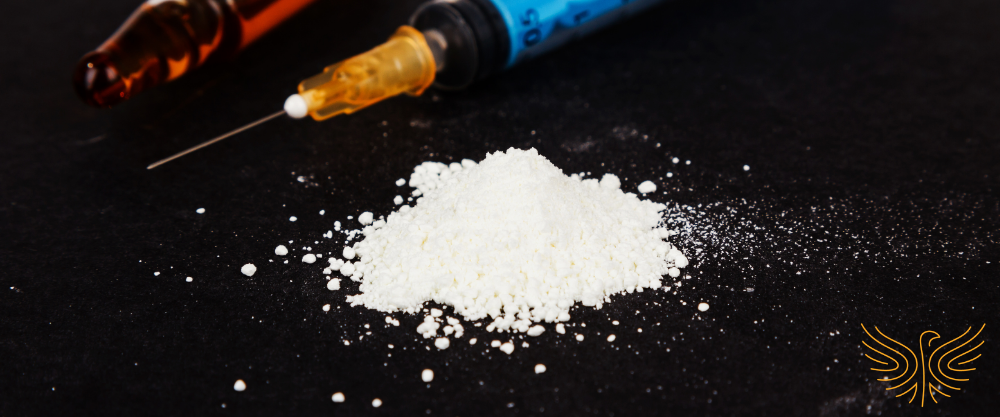
Cocaine typically appears as a fine white powder that is snorted, dissolved and injected, or converted into crack cocaine and smoked. Regardless of the method, cocaine is highly addictive and carries serious risks, including heart attack, stroke, and overdose.
The History of Cocaine and Its Origins Today
The story of cocaine begins thousands of years before the drug itself existed. Indigenous peoples of the Andes Mountains in South America have chewed coca leaves for at least 8,000 years.

For these communities, the coca plant was sacred. It was primarily used in religious ceremonies, as a medicine, and to combat hunger, altitude sickness, and fatigue. In truth, coca leaves contain relatively small amounts of cocaine alkaloids, and chewing them in their natural form produces a mild stimulating effect, nothing like the drug we know today.
In the mid-1800s, European scientists became more interested in the coca plant after learning about its use in South America. In 1860, German chemist Albert Niemann successfully isolated the active compound from coca leaves, naming it cocaine.
The drug quickly gained popularity in Western medicine and was used as a local anesthetic, most notably in eye surgery. It was also widely marketed in tonics, wines, and patent medicines, including the original formula for Coca-Cola, which contained trace amounts of cocaine until 1903.
In fact, Sigmund Freud was among its most enthusiastic early proponents, publishing a paper in 1884 praising cocaine as a treatment for depression, morphine addiction, and anxiety—views he would later take back as cocaine’s destructive potential became undeniable.
However, as addiction and abuse became increasingly visible, public and medical opinion shifted. The United States passed the Harrison Narcotics Tax Act in 1914, heavily restricting cocaine’s distribution.
By the mid-20th century, cocaine was classified as a Schedule II controlled substance. Despite legal prohibition, cocaine never disappeared; it simply went underground, eventually fueling some of the most powerful drug trafficking organizations in history.
How is Cocaine Made?
While the coca plant itself is natural, the process of turning it into cocaine is anything but. It involves a series of chemical extractions that strip away everything except the most potent and addictive compound the plant contains.
Cocaine production begins in the coca-growing regions of South America, primarily Colombia, Peru, and Bolivia. Farmers harvest coca leaves, which are then soaked in chemicals such as gasoline, sulfuric acid, and acetone to extract the cocaine alkaloid. This base is processed further, dried, and refined into the white powder hydrochloride salt that is trafficked and sold on the street.
Overall, the entire process is crude, toxic, and carried out largely in makeshift jungle labs, far away from any law enforcement.
Where Does Cocaine Come From?
Even after cocaine is produced, it must travel thousands of miles before it reaches the people who use it. This journey involves an elaborate network of traffickers, smugglers, and distributors that spans multiple continents and has proven extraordinarily difficult to disrupt.
The Top Cocaine-Producing Countries
Colombia is by far the world’s largest producer of cocaine, responsible for the majority of the global supply. Peru and Bolivia follow closely behind. The combination of an ideal climate, geography, and longstanding agricultural traditions in these regions ultimately makes them the near-exclusive source of the world’s cocaine supply.
How Does Cocaine Enter the United States?
From South America, cocaine moves through an extensive network of traffickers, cartels, and smuggling routes before reaching U.S. streets. The majority enters through the U.S.-Mexico border, often controlled by powerful Mexican cartels that purchase the drug from Colombian producers and distribute it across North America.
Cocaine also enters through maritime routes along the Gulf of Mexico and the Caribbean. Once inside the United States, it’s typically cut with other substances—ranging from baby powder to dangerous drugs like fentanyl—and sold at a significant markup.
But since the era of Pablo Escobar and the Medellín Cartel in the 1980s and 1990s, trafficking networks and systems have evolved. Today’s trafficking networks are more fragmented, sophisticated, and actually harder to dismantle. Mexican cartels have largely taken over distribution within the United States, and production in South America has continued to grow despite decades of international eradication efforts.
In fact, global cocaine supply is currently at near-record levels, contributing to rising use and addiction rates.
Getting Help for Cocaine Addiction
Cocaine addiction can develop quickly, sometimes after only a few uses. The drug hijacks the brain’s reward system, making everyday pleasures feel dull by comparison and driving users to seek the next high at any cost.
Signs of cocaine addiction include:
- An inability to stop or cut back despite wanting to
- Increased tolerance
- Withdrawal symptoms such as fatigue and intense cravings
- Neglecting relationships or responsibilities
- Financial problems tied to drug use
However, cocaine addiction is a medical condition that responds to treatment. At Freedom Recovery Centers (FRC), we offer evidence-based care designed to address the physical, emotional, and psychological dimensions of cocaine use. Recovery is possible, and our team is here to help you every step of the way. Call us today at 804-635-3746.

.svg)


.svg)


.svg)