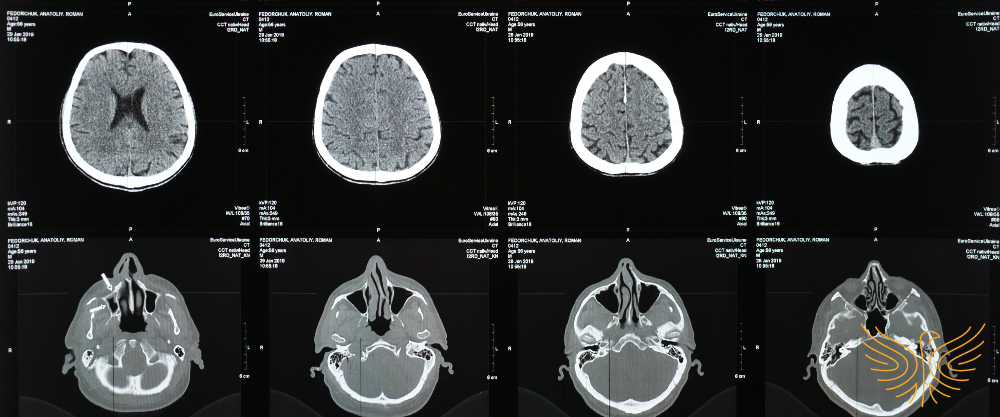


Maybe you’ve noticed it’s harder to remember conversations, follow a TV show, or find the right word. Maybe someone you love just doesn’t seem as sharp as they used to. When fentanyl has entered someone’s life, it's natural to wonder whether that damage is here to stay.
And fentanyl may cause lasting brain damage, most often through overdose. At the same time, many of the changes that come from regular use can improve once the drug is out of your life. Here’s what researchers know about how the injury happens, what tends to heal, and what gives your brain the best chance to recover.
How Does Fentanyl Affect the Brain?
Fentanyl is a synthetic opioid that the DEA estimates is about 50 times more potent than heroin. It attaches to opioid receptors in the brain, which are the same ones that help control pain, pleasure, and breathing.²
With repeated use, the brain’s reward system adjusts. It begins relying on fentanyl to feel good, so everyday sources of enjoyment, such as food, music, or time with friends, don’t quite cut it anymore. This rewiring is real, but it’s also different from physical injury to brain tissue.³ The more serious danger comes from what fentanyl does to your breathing.
What Happens to the Brain During a Fentanyl Overdose?
During an overdose, fentanyl can slow breathing or stop it completely. Without enough oxygen, your brain cells begin to die within minutes, which is known as a hypoxic brain injury.⁴
An overdose doesn’t have to be fatal to leave a mark. In a one study, individuals with opioid use disorder who had survived an overdose had less volume in the hippocampus than those who had never overdosed; the hippocampus is the brain’s memory center, and it’s especially sensitive to oxygen loss.⁵
The same researchers raised concerns about xylazine, an animal sedative increasingly found mixed with fentanyl, which may further oxygen loss and increase the risk of brain injury.⁶
Depending on how long the brain goes without oxygen, lasting effects may include:
- Trouble forming new memories
- Slower thinking and difficulty concentrating
- Problems with balance, coordination, or speech
- Seizures
- Changes in mood or behavior
What Brain Conditions Have Been Linked to Fentanyl?
Beyond general oxygen loss, doctors have documented a few specific conditions tied to fentanyl. They’re rare, but they’re also why some people experience severe memory problems after using.
Opioid-Associated Amnestic Syndrome
This condition causes sudden, severe memory loss, often after someone is found unresponsive. Brain scans show damage to the hippocampus on both sides of the brain.
A CDC report first described a cluster of 14 cases in Massachusetts between 2012 and 2016, mostly in individuals with a history of opioid use.⁷ Later case reports, including one in the Canadian Medical Association Journal, have pointed to fentanyl as a likely factor.⁸
Toxic Leukoencephalopathy
Toxic leukoencephalopathy is damage to the brain’s white matter, the network of nerve fibers that lets different areas of the brain communicate.
Doctors writing in BMJ Case Reports described a man who developed it after inhaling fentanyl. His scans showed swelling in the white matter and injury to the cerebellum, the part of the brain that controls balance and walking.⁹
Recovery from this condition is often slow and varies from person to person.
Can the Brain Heal After Fentanyl Use?
For many people, yes, at least in part. The brain is more adaptable than scientists once believed, and it can build new connections over time.
Effects that often improve with sustained recovery include:
- Brain fog and trouble focusing
- Mood swings and emotional numbness
- The ability to enjoy everyday life again
Effects that are more likely to linger usually come from serious or repeated oxygen loss, such as memory impairment or movement problems. Even then, therapy, structure, and healthy routines can help you adapt and regain function.¹⁰ ¹¹
Temporary vs. Potentially Permanent Brain Effects
Getting Help for Addiction
One of the most protective things you can do for your brain is to stop the cycle of substance use. Every overdose avoided is one less chance for injury.
Researchers have noted that memory and thinking problems can make it harder for people to engage in addiction treatment. That's one reason a structured, supportive setting matters so much in early recovery.
At Freedom Recovery Centers (FRC), our fentanyl addiction treatment starts with medically supervised detox, making withdrawal safer and more manageable. From there, we will work with you to help you overcome addiction and find purpose and fulfillment in other parts of life.
In our residential treatment program, daily routines, round-the-clock support, and repetition give your brain room to heal, even if your focus or memory isn’t where you’d like it to be yet. You don’t have to figure this out alone. Call our team today at 804-635-3746 or fill out our online form.