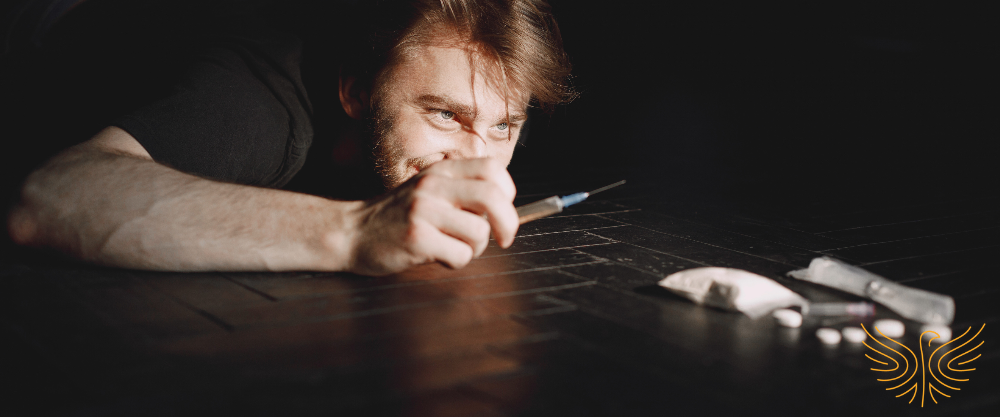


When most imagine an overdose, they picture someone slumped over, barely breathing. But a cocaine overdose often looks like the opposite.
And since many of these signs can be mistaken for a bad high, friends and family sometimes wait too long to call for help.
Knowing what to look for, however, could mean the difference between life and death. Below, we take a look at the warning signs of a cocaine overdose, how it changes when other substances are involved, and exactly what to do if it happens in front of you.
What Happens in the Body During a Cocaine Overdose?
Cocaine is a powerful stimulant. It floods the body’s stress response, driving up heart rate, blood pressure, and body temperature. An overdose happens when those effects push past what the heart, brain, and other organs can handle. ¹
At the end of the day, there’s no reliably safe amount. An overdose can happen to someone using for the first time or to someone taking their usual amount, especially if the batch is stronger than expected or mixed with something else. According to MedlinePlus, using cocaine in hot weather can increase the risk even more because dehydration adds to the strain on the body. ²
What Are the Early Warning Signs?
The early signs of a cocaine overdose can happen fast and may include: ³
- A racing or pounding heartbeat
- Chest pain or tightness
- Heavy sweating or feeling overheated
- Shaking or tremors
- Very wide (dilated) pupils
- Nausea or vomiting
Changes in behavior are often just as telling. Someone may seem extremely anxious, panicked, agitated, paranoid, or confused.
What Does a Severe Cocaine Overdose Look Like?
As an overdose gets worse, the signs become more dangerous and easier to spot: ⁴
- Seizures
- Hallucinations or severe confusion
- A very high body temperature
- An irregular heartbeat
- Trouble breathing
- Collapsing or losing consciousness
Behind these symptoms, cocaine can trigger a heart attack, stroke, or life-threatening heart rhythm, even in young people with no known health problems. These emergencies can unfold within minutes, which is why acting fast is of the utmost importance. ⁵
How Is a Cocaine Overdose Different From an Opioid Overdose?
Put simply, cocaine speeds the body up, while opioids slow it down. Someone overdosing on cocaine is usually hot, sweaty, agitated, and has a racing heart. Someone overdosing on an opioid, such as fentanyl, tends to have tiny pupils, slow or shallow breathing, bluish lips, and may not respond at all. ⁶
In a CDC report, nearly 79% of overdose deaths involving cocaine in 2021 also involved an opioid. ⁷ Plus, fentanyl is often mixed into cocaine without the person knowing. ⁸ This means a cocaine overdose may show signs of both, or even shift from agitation to unresponsiveness.
Why Is Mixing Cocaine and Alcohol So Dangerous?
Many people drink while using cocaine, often because alcohol takes the edge off. But when the two are combined, the liver creates a separate substance called cocaethylene, which puts extra stress on the heart.
In fact, a systematic review found that cocaethylene was linked to an 18- to 25-fold higher risk of sudden death compared with cocaine alone. ⁹ Alcohol can also hide how hard cocaine is hitting the body, making it harder to recognize when something is wrong. If drinking has become part of the pattern, support for alcohol addiction can be part of the same recovery plan.
What Should You Do If Someone Is Overdosing on Cocaine?
If you think someone is overdosing, take the following steps: ¹⁰
- Call 911 right away. Tell the dispatcher what the person took, if you know.
- Keep them calm and cool. Move them to a quiet, cooler space and speak in a steady, reassuring voice.
- Protect them during a seizure. Clear away anything they could hit. Don't hold them down or put anything in their mouth. ¹¹
- Give naloxone (Narcan) if they become unresponsive or their breathing slows. Narcan won't reverse cocaine, but it can reverse fentanyl or other opioids that may be mixed in. ¹²
- Stay with them until help arrives.
Getting Help for Addiction
Surviving an overdose can be a frightening wake-up call. It’s often the moment people realize their body has been under far more strain than they knew. But also, you don’t have to hit rock bottom to get help.
At Freedom Recovery Centers (FRC), our residential treatment program gives you a safe, structured place to rest, heal, and build new tools for life after cocaine. We’re here to help you through it. When you’re ready to explore rehab, our staff is ready to support you; call us anytime at 804-635-3746.