


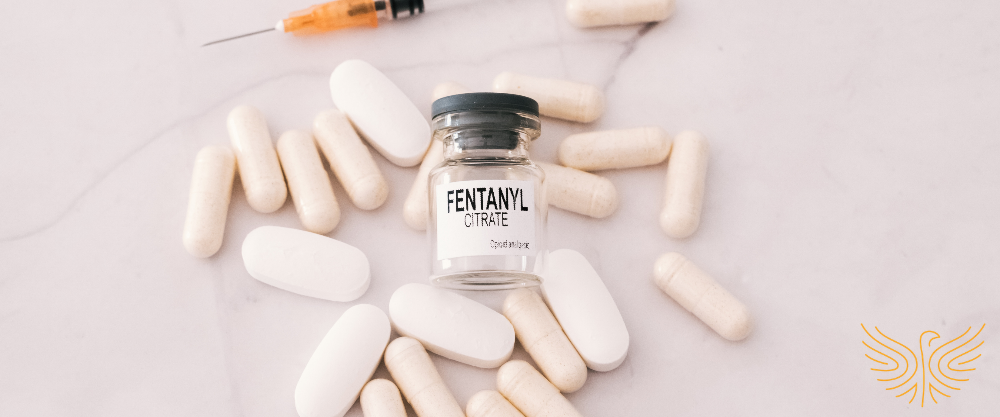


Fentanyl attaches to opioid receptors throughout your brain and body. Within minutes, it dulls pain and brings on a wave of calm.
But it also slows down some of your most essential functions, including your breathing, heart rate, and digestion. ¹
And if you - like many people - are asking this without actually intending to take fentanyl, it’s not a bad question to be asking. Unfortunately, fentanyl is often mixed in various pills and powders. ² Below, we take a closer look at how this drug works and how to take the next step toward recovery if you’re struggling with addiction.
How Fentanyl Works in the Body
Fentanyl is a synthetic opioid that’s up to 50 times stronger than heroin and 100 times stronger than morphine. ³

Doctors prescribe pharmaceutical fentanyl for severe pain, often after surgery or for advanced cancer. The fentanyl behind today’s overdose crisis, however, is mostly made illegally and sold on the street.
Once it enters your bloodstream, fentanyl travels quickly to the brain. There, it latches onto opioid receptors, which help regulate pain, emotion, reward, and breathing.
Since it acts fast and fades fast, the high is short. That quick rise and fall is a big part of what makes it so addictive, leading many people to use it again and again. ⁴
What Happens in the First Few Minutes
In the first few minutes of taking fentanyl, it can cause:
- Euphoria and deep relaxation
- Drowsiness or "nodding off"
- Pinpoint pupils
- Nausea, vomiting, or itchy skin
- Slowed breathing and heart rate
- Confusion or trouble thinking clearly ⁵
Yet, the rate of these effects usually depends on how fentanyl is taken, such as injection or via an oral pill. As you might guess, injecting any drug causes effects to occur much faster.
What Fentanyl Does to Your Body Over Time
With a fentanyl addiction, the brain and body both take a hit. Here’s what can happen over weeks, months, or years.
Tolerance and Dependence
Your body adapts to fentanyl remarkably fast. This means that it may take a higher dose to feel the effects, or even just to feel normal. This is known as building a tolerance. ⁶
Before long, the body comes to rely on fentanyl. In fact, missing a dose may quickly trigger withdrawal. And this is often when fentanyl use stops being about getting high and becomes about avoiding withdrawal and the side effects that come with it.
Breathing and Brain Health
Every time fentanyl slows your breathing, your brain receives less oxygen. In fact, research has linked non-fatal opioid overdoses to injury in the hippocampus, the part of the brain responsible for memory and learning. ⁷ Some overdose survivors even notice problems with memory, focus, or mood afterward, and the risk may grow with each overdose.
Digestion, Hormones, and Sleep
Opioids actually slow down digestion. In turn, opioid use can lead to severe, ongoing constipation, which is very common with an opioid addiction. ⁸
Long-term opioid use may also disrupt hormones. Studies have associated it with low testosterone and other hormonal changes, which may lead to low sex drive, fatigue, and fertility problems. ⁹ Women may also notice irregular or missed periods.
On top of the above, opioids can disrupt normal sleep patterns, leading to exhaustion and, in some cases, insomnia. ¹⁰
Infections and Skin Damage
Injecting fentanyl, or sharing needles and other supplies, raises the risk of HIV, hepatitis C, abscesses, and serious heart and blood infections. ¹¹
Mood and Pain Sensitivity
As use continues, fentanyl can leave the brain’s reward system depleted. You may experience depression, anxiety, or a flat emotional state where little feels enjoyable without the drug.
And in a cruel twist, long-term opioid use can make some individuals more sensitive to pain, not less. This is known as opioid-induced hyperalgesia, and it can keep some individuals stuck in a cycle of using to manage pain that the drug itself is making worse. ¹²
How Fentanyl Affects Different Parts of the Body
What Happens When You Stop Taking Fentanyl?
Withdrawal often begins within hours. Common opioid withdrawal symptoms include muscle and bone aches, sweating, chills, yawning, diarrhea, stomach cramps, restlessness, anxiety, and intense cravings. ¹³
Fentanyl withdrawal usually isn’t life-threatening on its own, but it can feel unbearable. That’s why so many people find it hard to stop using. But even a short break can drop tolerance; however, this also comes with its own risks since using the same dosage as before after a break can quickly lead to an overdose.
This is where medication-assisted treatment (MAT) may help. Medications such as suboxone ease withdrawal and cravings, helping the body stabilize safely under medical care.
Can Your Body Heal From Fentanyl Use?
In many ways, yes. Once fentanyl is out of the picture, digestion, sleep, energy, and hormone levels often start improving within weeks to months.
Some effects may take longer or need ongoing care, such as memory problems after an overdose or complications from infections. But every day without fentanyl gives your body more room to repair and heal.
At Freedom Recovery Centers (FRC), our team is here to help you figure out your next step. Whenever you’re ready, our expert team offers supportive and compassionate care for addiction and co-occurring mental health conditions. Call us at 804-635-3746 or fill out our online form to get started today.
Frequently Asked Questions (FAQ)
References


