.svg)


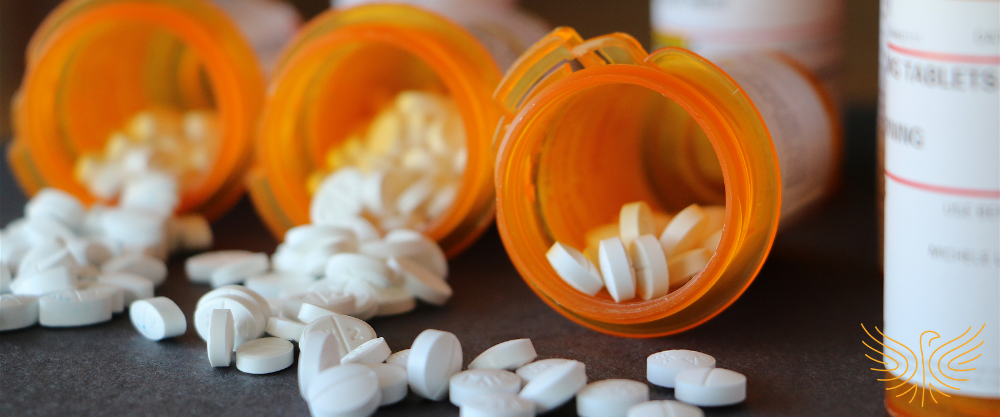


Tapering simply means stepping down gradually instead of stopping all at once, giving your body the time it needs to adjust.
At Freedom Recovery Centers (FRC), tapering is frequently included as part of safe, medically supervised care. Below, we take a closer look at how it works and how it pertains to addiction treatment.
What Is Medication Tapering?
Medication tapering is the practice of slowly reducing a dose over time so the body can adapt. When you develop a dependence, the brain and body adjust to having a substance present and begin to rely on it to feel balanced. Removing the substance suddenly throws the whole system off, which is what triggers withdrawal.
In other words, tapering down rather than quitting abruptly lowers the intensity of withdrawal symptoms and reduces the risk of serious medical complications. It also makes recovery more sustainable; when withdrawal is smoother, many people are far less likely to relapse simply to make the symptoms or discomfort stop.
What Medications Are Tapered in Addiction Treatment?
Tapering is most often used with substances that affect the central nervous system and create physical dependence. Here are some of the most common.
Opioids
This group of drugs includes various substances such as prescription painkillers and heroin. Opioids are frequently tapered to ease the discomfort of withdrawal, often with the help of medication-assisted treatment (MAT) to help manage the process and prevent complications.
Benzodiazepines
Benzos are medications often prescribed for anxiety or sleep. Stopping them abruptly can be dangerous, which is why a careful, gradual taper is so important.
Alcohol
Alcohol paints a similar picture to the above. Sudden cessation after heavy, long-term use may lead to serious and even life-threatening symptoms. Thus, medical supervision is essential during this kind of withdrawal.
Other Medications
Interestingly, even prescribed medication, when used properly, may need tapering off. Certain antidepressants and stimulants also call for a gradual step-down rather than an abrupt stop.
However, not everyone who takes these medications becomes dependent on them. Still, having proper medical guidance may be important for avoiding complications or serious side effects.
What Does the Tapering Process Look Like?
It usually begins with an assessment of your history, your current dose, and your overall health. From there, a medical team, such as our team at FRC, builds a personalized step-down plan, lowering your dose in stages.
Along the way, you’ll have regular check-ins so your care team can monitor your response and adjust the pace as needed. If symptoms flare up, medical staff can also offer supportive care to ease them.
The timeline, however, varies depending on the substance, the dose, your history, and how your body responds. Yet, the goal of tapering is always to ensure your safety and help you feel as comfortable as possible while your body recalibrates.
How Tapering Fits Into Care at Freedom Recovery Centers
Tapering often works best as one part of a larger, whole-person recovery plan. At Freedom Recovery Centers (FRC), it goes hand in hand with medically supervised detox, medication-assisted treatment options such as Suboxone, Vivitrol, and Sublocade, and individual and group therapy that help you build a foundation for lasting change.
Getting safely through withdrawal is an important beginning, but it is only the beginning. Our team is here to support you through every stage that follows. If you or someone you love is struggling, we’re here to help. Call us today at 804-635-3746 or fill out our online form; we’ll love you until you can love yourself again!

.svg)


.svg)


.svg)