.svg)


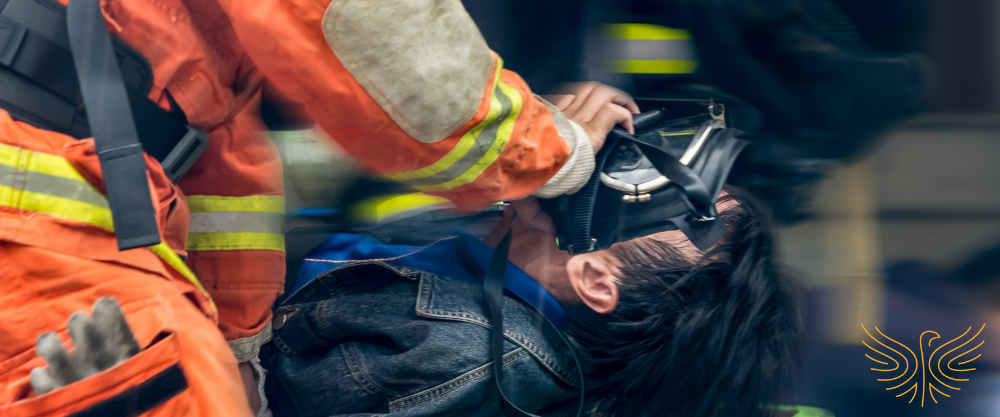


When someone you love has been using meth, it can be frightening.
You may feel unsure of their safety. You might be concerned about their whereabouts and overall health and well-being. And a meth overdose can be all-too-real.
Whether you’re worried about a loved one or yourself, the next step is what matters the most. At Freedom Recovery Centers (FRC), our team is here to help. Call us any time at 804-635-3746. Alternatively, continue reading below to know the signs of a meth overdose and what you should do if it happens.
What Does a Meth Overdose Look Like?
Meth is a powerful stimulant, and an overdose happens when the amount in someone’s system overwhelms the heart, brain, and body’s ability to cope1.
The physical signs often include12:
- Chest pain or a racing, pounding, or irregular heartbeat8
- A dangerously high body temperature and heavy sweating2
- Trouble breathing1
- Severe headache2
- Seizures or convulsions1
The psychological signs can be just as alarming2:
- Extreme agitation or panic
- Paranoia and confusion
- Hallucinations, such as seeing or hearing things that aren't there
- Aggression, sometimes even toward people trying to help
In fact, the early stage of an overdose can look a lot like a normal high, such as increased energy, fast talking, and restlessness. However, chest pain, confusion, a body that's burning up, a seizure, or someone becoming unresponsive is a clear sign an overdose is happening110.
If you’re not sure whether it's a high or an overdose, treat it as an overdose. Waiting is the bigger risk. Left untreated, a meth overdose can escalate quickly to a heart attack, stroke, or kidney failure18.
The Hidden Danger: Meth Laced With Fentanyl
Today’s meth comes with even greater risk. Much of the meth on the street is now contaminated with fentanyl, a synthetic opioid so potent that a tiny amount can be deadly45. In Virginia, nearly 60% of fatal meth overdoses in 2024 also involved fentanyl3.
This combination is especially dangerous because the two drugs can mask one another. Meth is a stimulant and fentanyl is a depressant, so the symptoms can look contradictory and confusing.
A person might swing between agitation and sudden drowsiness. Their heart may race even as their breathing slows. Meth widens the pupils while opioids shrink them, so the eyes can look deceptively normal.
The clearest warning sign that an opioid is involved is breathing; if someone who used meth becomes unresponsive, or their breathing turns slow, shallow, or gurgling, assume fentanyl is part of the picture and act immediately5.
What to Do During a Meth Overdose
If you think someone is overdosing, staying calm and moving quickly are the two most important things you can do10. Then, follow these steps:
- Call 911 right away. Don’t wait to see if things improve on their own. Tell the dispatcher what's happening and where you are1.
- Keep them cool and calm. Move them somewhere quiet, loosen tight clothing, and help lower their body temperature if they’re overheating. Reassure them that help is coming7 10.
- Give naloxone (Narcan) if you have it, even if you’re not sure fentanyl is involved. Naloxone won’t reverse the meth itself, but if an opioid is in the mix, it can be lifesaving. It won’t cause harm if opioids aren’t present, so when in doubt, use it5 6.
- Stay with them until help arrives. Keep watching their breathing and be ready to tell paramedics everything you know10.
- Be honest with first responders. Sharing what the person took, and how much, helps them get the right treatment fast.
And rest assured that you won’t get in trouble; Virginia’s Good Samaritan law offers protection from certain drug charges when you seek emergency care for an overdose9. Your only job in that moment is to keep the person alive.
Meth Addiction Treatment in Richmond, VA
Surviving an overdose is terrifying. But it can also become a turning point.
Recovery from meth addiction is absolutely possible. At Freedom Recovery Centers (FRC), our team is here to offer support and help when you need it the most. Call us today at 804-635-3746 to talk with someone who understands and to learn how we can help you or your loved one take the first step toward lasting recovery.

.svg)


.svg)


.svg)

