.svg)





For many individuals in recovery, winter is more than just cold and dark. As the days get shorter and the sun disappears before dinner, anyone’s mood and energy can plummet alongside it. But for those in recovery, staying sober can feel that much harder, too.
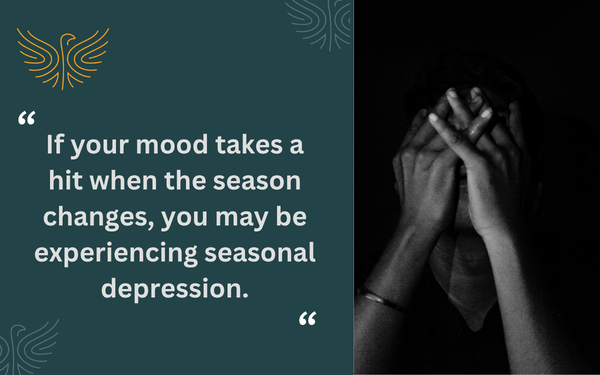
If your mood takes a hit when the season changes, you may be experiencing seasonal depression. When it overlaps with a substance use disorder, the combination can make the colder months especially tough. The good news is that both are treatable.
What Is Seasonal Depression?
Seasonal affective disorder (SAD) is a form of depression that follows a seasonal pattern, typically beginning in late fall or early winter and easing in spring1. In fact, the American Psychiatric Association classifies it as major depressive disorder with a seasonal pattern2.
About 5% of U.S. adults experience SAD, with symptoms lasting about 40% of the year, and another 10% to 20% deal with a milder form often called the winter blues.
SAD tends to become more common the farther you live from the equator, which means shorter Richmond winters can still trigger it for many individuals3.
Symptoms may include:
- Low energy and fatigue
- Oversleeping
- Carbohydrate cravings and weight gain
- Trouble concentrating
- Pulling away from people you care about
- A persistent low or hopeless mood4.
A smaller number of individuals may also experience the opposite pattern in spring and summer.
Why Seasonal Depression and Addiction Are Linked
The link between seasonal depression and addiction starts in the brain. Reduced daylight can disrupt your serotonin levels, throw off your melatonin and sleep-wake cycle, and lower vitamin D, which are the same systems that regulate mood, motivation, and the way your brain experiences reward. When those systems are off balance, everything can feel heavier.
And this is often where the self-medication cycle begins. When low mood, poor sleep, and fatigue accumulate, alcohol or other substances might feel like a quick way to take the edge off or simply get through the season5.
The relief is temporary, though. Substances ultimately deepen depression and disrupt sleep further, which drives future use.
Put simply, seasonal depression can drive substance use, and substance use, along with the withdrawal that follows, may also mimic or worsen depressive symptoms6.
How Seasonal Depression Raises Relapse Risk
If you’re actively in recovery, seasonal depression may stack the deck against you. The very symptoms that come with SAD, including low motivation, isolation, and disrupted sleep, are also some of the most common relapse triggers.
Winter tends to bring several of these at once, such as isolation from shorter days and rough weather, holiday stress and grief, gatherings where alcohol flows freely, disrupted routines and sleep, and reduced motivation to attend meetings or keep up with any healthy habits.
Yet knowing this risk in advance lets you plan around it. Relapse rarely comes out of nowhere, and the more prepared you are, the more power you have to stay on track.
Strategies to Protect Your Recovery in the Colder Months
A few consistent habits can help protect your recovery and reduce SAD:
- Try light therapy: The evidence-backed standard is a 10,000-lux light box used for about 20 to 30 minutes each morning. It’s non-addictive, well-tolerated, and often helps within a week or two.
- Get natural light: Even a short walk during daylight hours may improve your mood and help reset your internal clock.
- Maintain a consistent sleep and daytime routine: Structure is protective. Regular wake times, meals, and bedtimes give your recovery a stable foundation.
- Stay connected: Lean on your meetings, sponsor, and sober supports, and make a plan before walking into gatherings where substances will be present.
- Move your body: Exercise is a natural mood regulator, even in small doses.
- Talk to a professional: Therapy, and where appropriate, medication or vitamin D supplementation, can address what self-help alone can’t.
Dual Diagnosis Treatment for Seasonal Depression and Addiction
Dual diagnosis treatment means addressing a mental health condition and a substance use disorder together7. This approach gives you the best shot at lasting recovery, since leaving either condition untreated tends to pull you back toward the other.
Freedom Recovery Centers (FRC) is a residential treatment center in Richmond, VA that offers exactly this kind of integrated care. This includes medically supervised detox, individual and group therapy, medication-assisted treatment, and support for co-occurring conditions such as depression, anxiety, and PTSD8.
Reach out to our caring team today at 804-635-3746. The call is confidential, and there’s no obligation to attend treatment. Brighter days are ahead; sometimes, we all need a helping hand to get there.

.svg)


.svg)


.svg)

